
Views: 0 Author: Site Editor Publish Time: 2026-09-15 Origin: Site


In the modern embryology lab, the margin for error is zero. Fragmented procurement of labware introduces compounding risks of embryotoxicity and protocol inconsistency. Sourcing piecemeal supplies forces lab directors to independently verify compatibility across disparate manufacturers. This creates traceability gaps, increases the risk of pH and osmolality shifts during embryo culture, and leads to spatial inefficiencies in cryo-storage systems. When culture dishes do not perfectly align with heated stages, or when vitrification carriers jam inside mismatched cryo-boxes, the resulting thermal fluctuations directly compromise embryo viability. Transitioning to a full-set, turnkey approach for lab supplies—where plasticware, micromanipulation tools, and cryo-boxes are engineered to match specific culture media and lab equipment—mitigates toxicity risks, streamlines compliance, and standardizes clinical outcomes.
Systematic Compatibility: Turnkey consumable sets eliminate guesswork by ensuring plasticware gas-exchange rates, thermal conductivity, and material compositions are pre-validated for specific culture media and heated workstations.
Stringent Quality Control: High-tier consumable suites provide unified, lot-specific Mouse Embryo Assay (MEA) and Limulus Amebocyte Lysate (LAL) testing certificates, reducing internal QA burdens.
Optimized Cryo-Management: Matching vitrification carriers with purpose-built cryo-boxes maximizes liquid nitrogen (LN2) storage density and integrates seamlessly with electronic witnessing and embryo tracking systems.
Supply Chain Consolidation: Single-vendor sourcing for full-set IVF laboratory consumables reduces backorder vulnerabilities, simplifies new lab setup, and streamlines ISO/FDA compliance documentation.
Defining the baseline requirements for Assisted Reproductive Technology (ART) consumables requires a strict focus on non-toxicity, sterility, thermal stability, and workflow efficiency. Every item introduced into the laboratory environment must support the delicate metabolic requirements of gametes and embryos. Success criteria dictate that plastics must not leach volatile organic compounds (VOCs) or endocrine disruptors. Thermal stability remains non-negotiable. A drop of even a fraction of a degree during oocyte retrieval or embryo transfer triggers spindle depolymerization, halting development. Consequently, evaluating IVF Laboratory Consumables demands rigorous scrutiny of material science, manufacturing tolerances, and physical compatibility with existing capital equipment.
Multi-vendor sourcing introduces hidden operational costs and clinical vulnerabilities. Administrative overhead balloons when laboratory staff track disparate expiration dates, manage multiple supplier contracts, and archive varying formats of Certificates of Analysis (CoA). Mismatched tolerances between different brands disrupt daily workflows. A culture dish that is slightly too wide for a specific time-lapse incubator slot compromises environmental control and forces embryologists to improvise under pressure.
A closed-loop system, where consumables are designed concurrently with media, microscopes, and capital equipment, offers a distinct clinical advantage. This integration ensures the physical geometry of the plasticware complements the fluid dynamics of the culture media and the thermal output of the workstation. The table below outlines the practical differences between these two procurement strategies.
Evaluation Metric | Piecemeal Procurement | Full-Set Turnkey Integration |
|---|---|---|
Quality Control (QC) Tracking | Requires manual aggregation of CoAs from multiple vendors; varying MEA/LAL standards. | Unified, lot-specific documentation; standardized MEA/LAL testing across the entire suite. |
Thermal Compatibility | High risk of poor contact between dishes and heated stages, causing temperature drops. | Pre-validated flat bases designed specifically for flush contact with matching workstations. |
Inventory Management | Complex tracking; high vulnerability to localized supply chain disruptions and backorders. | Streamlined ordering; safety stock agreements managed through a single primary vendor. |
Workflow Efficiency | Staff must adapt handling techniques to varying pipette geometries and dish layouts. | Standardized ergonomics; muscle memory translates seamlessly across all procedural tools. |
Turnkey packages simplify the architectural and operational design of new facilities. When lab directors select a unified suite of supplies, they receive standardized footprints for inventory storage and workflow mapping. This predictability allows for precise spatial planning in cleanrooms, ensuring incubator capacities perfectly match the dimensions of the chosen culture dishes. It standardizes the layout of micromanipulation stations. The exact dimensions of holding pipettes, injection needles, and oil overlay volumes are known in advance, preventing clutter and reducing physical strain on embryologists during long ICSI cases.
Weighing the upfront premium of turnkey packages against long-term clinical gains requires a holistic view of laboratory performance. Integrated systems drive significant long-term value through improved fertilization rates, reduced consumable waste, and consolidated inventory management. Fewer discarded batches due to pH fluctuations or thermal shock directly translates to higher success rates. The reduction in administrative hours spent chasing quality control documents allows senior embryologists to focus entirely on clinical tasks, embryo grading, and protocol optimization.
Assessing vendor transparency regarding raw materials is the first step in validating any new labware. Modern facilities require medical-grade polystyrene guaranteed free from heavy metals, latex, and embryotoxic plasticizers. Legacy glassware has been largely phased out due to the difficulty of completely removing detergent residues and the risk of silicate leaching.
Evaluating the rigor of Mouse Embryo Assay (MEA) testing is equally critical. Not all MEA tests are created equal. A robust turnkey provider utilizes a 1-cell MEA model, which is far more sensitive to toxins than a 2-cell model, and mandates high blastocyst development rates (typically ≥80%) before releasing a lot. Concurrently, Limulus Amebocyte Lysate (LAL) testing must demonstrate strict endotoxin limits, ensuring no bacterial byproducts remain on surfaces contacting gametes or culture media.
The physical design of culture dishes dictates the efficiency of gas diffusion within benchtop incubators. Well depth, surface area, and lid clearance interact to control how quickly CO2 and O2 equilibrate within the culture media. If a lid sits too tightly, gas exchange is restricted, leading to dangerous pH shifts. If it sits too loosely, the risk of evaporation increases.
Matching dish geometry with precise oil overlay volumes prevents media evaporation and subsequent osmolality spikes. An integrated consumable system provides validated protocols specifying the exact volume of mineral oil required for specific dish dimensions. This precise pairing prevents the hyperosmotic stress that arrests embryo cleavage and compromises blastocyst formation. Embryologists rely on these validated volumes to maintain osmolality strictly between 280 and 290 mOsm/kg throughout the culture period.
Maintaining an unbroken thermal chain is one of the most challenging aspects of embryology. Ensuring the flat bases of culture dishes and collection tubes make flush, gap-free contact with heated stages and IVF workstations is vital to prevent temperature fluctuations during handling. A microscopic concavity at the bottom of a petri dish traps a layer of air. Air acts as an excellent insulator, causing the media temperature to plummet while the dish sits on a 37°C heated stage. Turnkey systems engineer their plastics to perfectly match the thermal profiles of their proprietary workstations, guaranteeing uniform heat distribution across the entire well.
Volatile Organic Compounds (VOCs) dissolve into culture media and cause unexplained drops in embryo development rates. Identifying consumables manufactured, sterilized, and packaged in strictly controlled cleanroom environments prevents VOC contamination. High-quality turnkey providers utilize specialized degassing procedures post-sterilization and employ packaging materials that do not emit chemical fumes. This ensures that when a package is opened in the laboratory, it does not release trapped gases absorbed by the media during the critical equilibration phase.
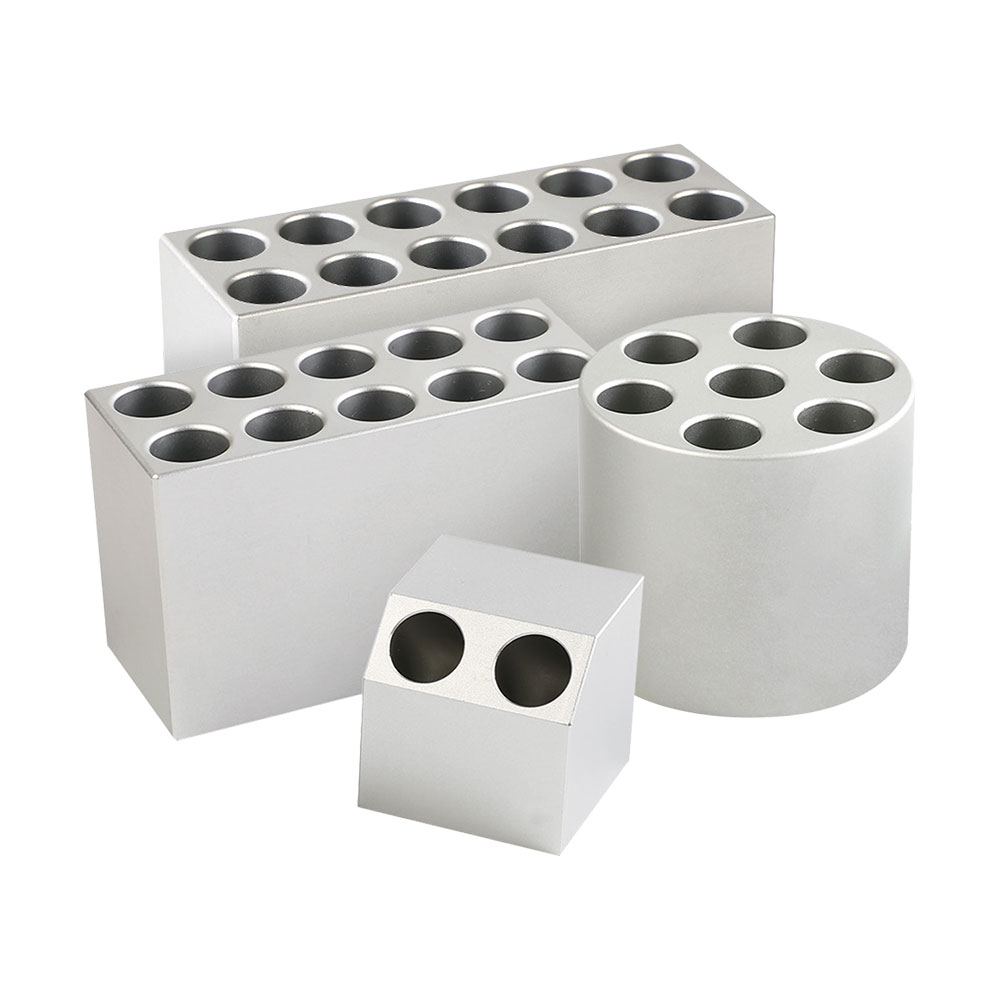
Evaluating the structural integrity of closed versus open vitrification straws during rapid cooling and warming protocols is a foundational step in cryo-management. Closed systems prevent direct contact between the specimen and liquid nitrogen, eliminating the risk of viral cross-contamination. They require highly specific handling techniques to achieve the necessary cooling rates of -23,000°C per minute.
Ensuring carrier dimensions align precisely with designated cryo-box slots prevents jamming or accidental warming during retrieval. If a vitrification straw is a millimeter too long for the cryo-box, the lid will not close properly. This exposes the upper portion of the straw to ambient temperatures. Turnkey systems eliminate this risk by manufacturing carriers and boxes as a matched set, ensuring smooth insertion and extraction even under the visual constraints of liquid nitrogen vapor.
Assessing the cryo-box footprint within standard LN2 dewars maximizes storage yield. Space inside a cryogenic tank is highly valuable. Purpose-built cryo-boxes interlock efficiently, maximizing the number of patient samples safely stored within a single dewar without impeding the flow of liquid nitrogen.
Integration capabilities with RFID, barcoding, and electronic witnessing systems are standard in modern turnkey suites. These systems enable error-free patient charting, automated cryo storage logs, and seamless data transfer to embryo grading software. When cryo-boxes and carriers are pre-labeled with compatible barcodes or RFID tags at the point of manufacture, laboratories bypass the risky and time-consuming process of manually labeling frozen samples under a microscope.
Analyzing the thermal properties of handling tools and transfer boxes maintains cryogenic temperatures during inventory audits. When a cryo-box is lifted into the vapor phase for sample retrieval, it immediately begins to absorb heat. Turnkey cryo-management systems utilize materials with high thermal mass for their transfer boxes. This ensures the internal temperature remains safely below the glass transition point of water (-130°C) for extended periods. It provides embryologists with a safe time buffer to locate and extract the correct vitrification carrier without compromising the viability of adjacent samples.
Evaluation criteria for aspiration needles prioritize echogenicity under ultrasound and bevel sharpness for atraumatic puncture. A highly echogenic needle tip ensures the physician tracks the exact position of the needle within the follicle, minimizing tissue damage and bleeding. The bevel must be honed to slice cleanly through the ovarian wall rather than tearing it. The associated collection tubes must possess excellent temperature retention properties to protect the cumulus-oocyte complexes (COCs) from cold shock during the transfer from the operating theater to the laboratory pass-through window.
Assessing micro-pipettes for Intracytoplasmic Sperm Injection (ICSI) requires strict attention to precise angulation, inner and outer diameter consistency, and smooth edges to minimize oocyte trauma. The holding pipette provides a secure, flush grip on the zona pellucida without distorting the oocyte. The injection needle must possess a sharp, clean spike to penetrate the membrane with minimal cytoplasmic displacement. Ensuring these tools are fully compatible with standard inverted microscopes and micromanipulators prevents mechanical drift and vibration during the procedure.
Reviewing the structural requirements for embryo culture plastics involves analyzing center-well dishes, microdrop dishes, and specialized slides designed specifically for time-lapse incubators and AI-driven embryo grading systems. Time-lapse slides require flawless optical clarity. Any imperfections in the plastic distort the camera's view, rendering AI morphokinetic algorithms inaccurate. The well micro-architecture keeps the embryo perfectly centered within the focal point of the time-lapse camera throughout the entire five-to-six-day culture period.
Evaluating transfer catheters focuses on malleability, atraumatic tips, fluid dynamics, and strict compatibility with the chosen culture media. The outer sheath must be rigid enough to navigate the cervical canal. The inner catheter must be soft and highly flexible to follow the contours of the uterine cavity without disrupting the endometrium. The fluid dynamics of the catheter lumen allow for smooth, controlled expulsion of the media droplet containing the embryo, preventing retention within the catheter tip.
Standardizing andrology supplies ensures consistency in sperm preparation and diagnostic tracking. Centrifuge tubes withstand high G-forces without micro-cracking. Their conical bottoms allow for the clear visualization and easy retrieval of the sperm pellet after density gradient centrifugation. Counting chambers provide precise grid depths to ensure accurate concentration calculations. All plastics used in semen analysis and preparation are validated for compatibility with the specific sperm wash media to prevent motility degradation.
Verifying regulatory compliance establishes vendor authoritativeness. For the US market, FDA 510(k) clearance is mandatory, demonstrating the medical device is at least as safe and effective as a legally marketed equivalent. In Europe, CE Marking under the stringent Medical Device Regulation (MDR) is required. The manufacturer must hold ISO 13485 certification. This verifies their quality management system is specifically designed for the lifecycle of medical devices, ensuring rigorous oversight of design, production, and distribution.
Accessible, digital Certificates of Analysis (CoA) for every batch support clinic accreditation audits conducted by organizations such as CAP or JCAHO. These audits require exhaustive traceability. A reputable turnkey vendor provides a centralized digital portal where lab directors instantly download lot-specific MEA, LAL, and irradiation certificates. This guarantees lot-to-lot consistency and provides immediate proof of compliance during unannounced regulatory inspections.
Looking beyond marketing claims to peer-reviewed evidence or white papers is required when committing to a new consumable suite. Vendors provide clinical validation data demonstrating stable or improved take-home baby rates using their specific products. Internal white papers detailing split-sibling oocyte trials, where half the cohort is cultured in the legacy system and half in the proposed turnkey system, offer compelling evidence of non-toxicity and system efficacy.
Assessing the vendor's manufacturing capacity, redundancy, and historical backorder rates protects the clinic from operational paralysis. A single-source supplier maintains redundant manufacturing facilities to mitigate regional disruptions. Establishing safety stock agreements for critical, high-turnover items like transfer catheters, aspiration needles, and culture dishes ensures the clinic maintains a minimum 30-to-60-day reserve on-site, buffering against unexpected shipping delays.
Managing the learning curve for embryologists transitioning to new equipment requires structured oversight. Switching to new pipette geometries, vitrification carriers, or time-lapse slides alters established muscle memory. Vendor-supplied on-site training and protocol optimization support bridge this gap. Vendor clinical application specialists stand present in the laboratory to guide staff through the initial setup, troubleshoot handling issues, and calibrate heated stages to match the thermal profiles of the new plastics.
A structured framework for conducting parallel internal validations before fully migrating to a new turnkey consumable set minimizes clinical risk. Clinics never execute a hard cutover. Instead, they perform split-sibling oocyte trials using donor models or consenting patients.
Identify an appropriate donor or consenting patient cohort for the validation trial.
Retrieve the oocytes and divide the sibling cohort equally.
Culture half the cohort in the existing legacy system and half in the new turnkey system concurrently.
Compare fertilization rates, day-3 cleavage rates, and day-5 blastulation rates.
Review morphological quality and morphokinetic data to ensure the new system meets or exceeds historical key performance indicators before broad implementation.
To execute the transition to a turnkey consumable system effectively, follow these next steps:
Request a comprehensive product catalog and technical specification sheets from shortlisted turnkey vendors to verify equipment compatibility.
Demand physical sample sets to test fitment on existing heated stages, microscopes, and within current LN2 dewars.
Schedule a technical review of the vendor's quality control documentation and digital CoA portal with the laboratory director and QA manager.
Design and execute a split-sibling internal validation protocol to safely test the new consumables against current baseline clinical metrics.
A: Industry standards require Mouse Embryo Assay (MEA) testing to ensure ≥80% blastocyst development from 1-cell or 2-cell stage embryos, confirming the absence of embryotoxic materials.
A: Different plasticware designs affect gas exchange rates and temperature distribution. Matching them ensures stable pH and osmolality, which are critical for optimal embryo development.
A: Turnkey cryo-boxes are dimensionally matched to specific vitrification carriers, maximizing dewar storage capacity, preventing carrier damage, and enabling seamless integration with barcoded inventory tracking and embryo grading systems.
A: Consumables must physically align with capital equipment. For example, culture dishes must sit flush on heated workstations for thermal regulation, and time-lapse slides must fit the exact specifications of specialized incubators to ensure accurate embryo tracking.
A: Suppliers should hold ISO 13485 certification, and products must have FDA 510(k) clearance (in the US) or CE marking under the Medical Device Regulation (in Europe), alongside batch-specific Certificates of Analysis.
A: Yes. Variations in plastic toxicity, thermal conductivity, or pipette mechanics can alter embryo development trajectories and implantation potential. Validating new supplies through split-sibling trials minimizes this risk.


